Question & answer
Do Bantams, Silkies or Molting Hens Need a Heater?
Sometimes for bantams and molting hens, and no source says so for Silkies. The University of Maryland Extension names bantams and molting hens as birds that may need supplemental heat or protection when large fowl do not. For Silkies, the one extension text we found asks for shelter from foul weather, not for heat. The University of New Hampshire Extension suggests insulation for small breeds and advises against heat sources because of the fire risk.
Disclosure: This page contains paid links to Amazon, marked with * or “paid link”. If you buy through them, we earn a commission at no extra cost to you. As an Amazon Associate I earn from qualifying purchases. This site is financed by these commissions; products are selected by the criteria on our methodology page. How we evaluate · Learn more
Straight answer
Bantams and molting hens may need extra heat or protection, according to the University of Maryland Extension: bantams produce less body heat than large fowl, and molting hens lack feathers until they grow back. No source read for this page says Silkies need a heater. A University of Georgia extension tip says their feathering makes them unsuited for foul weather, so dry, draft-free shelter comes first.
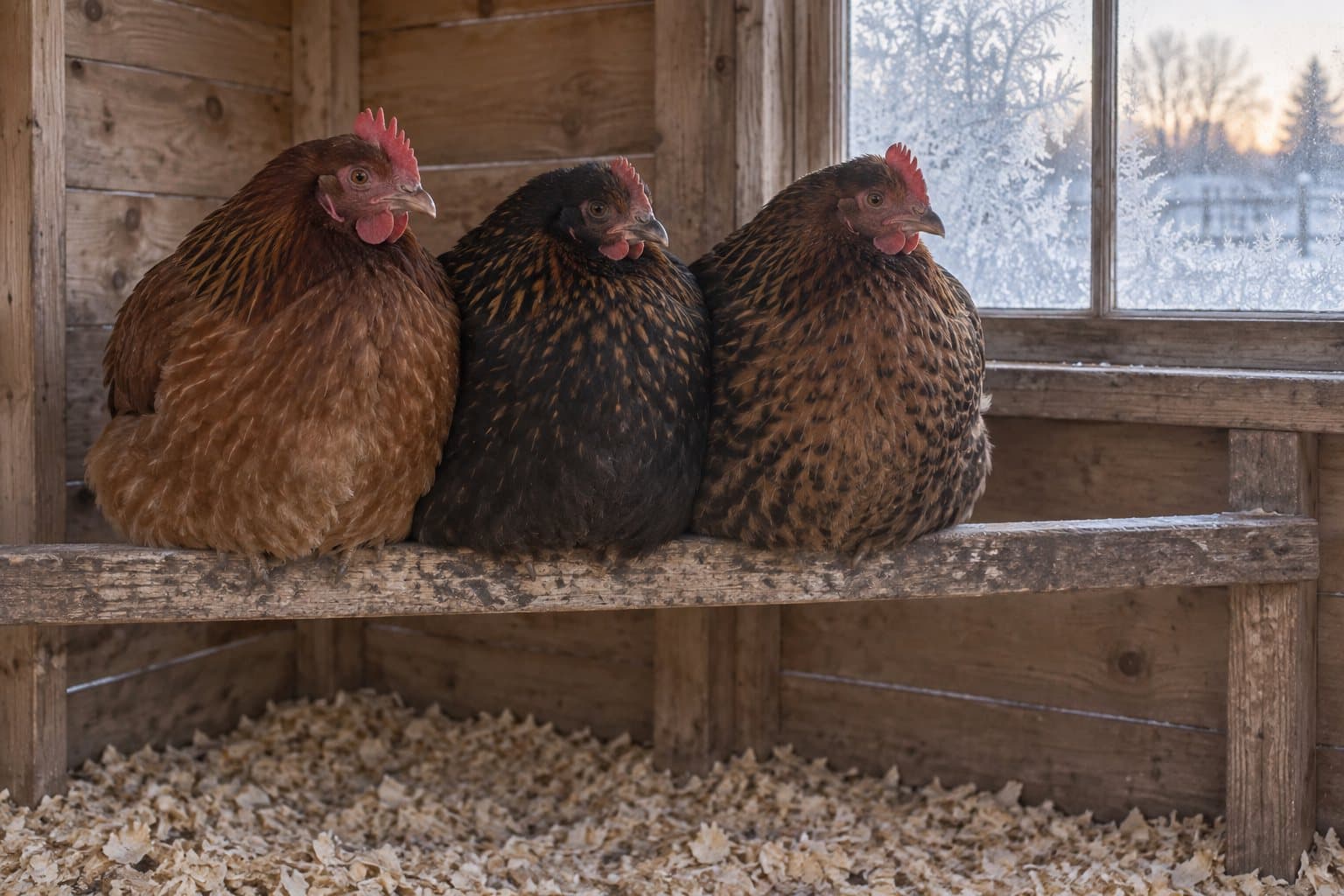 AI-generated
Questions keepers ask
Are Silkie chickens cold hardy?
The one extension text we found on the breed, a backyard flock tip of the University of Georgia Cooperative Extension Service, says Silkies will survive hot or cold weather but are not suited for foul weather because of their fancy feathering. It names no temperature. The practical reading is that Silkies cope with cold as long as they stay dry and out of the wind.
Do bantams need a heat lamp in winter?
No source read for this page names a heat lamp as the answer for bantams. The University of Maryland Extension says bantams may require supplemental heat and warns in the same publication that even heating lamps can cause fires if not properly secured. The University of New Hampshire Extension suggests insulating the coop for smaller breeds instead. If you add heat, a closed radiant panel or a heated pad is the lower-risk device.
How long does a molting hen need extra protection?
Until the feathers are back. The University of Maryland Extension writes that molting hens may need some extra heat or protection until their feathers grow back in. It gives no number of weeks and no temperature. Any figure for either is a keeper's own rule and not a sourced one.
Should I separate a bantam or a molting hen to keep it warm?
The extension sources read for this page do not answer that, in either direction. They describe extra heat or protection for the bird and say nothing about housing it apart or about moving it between a heated room and a cold coop. Because no source covers it, this page gives no recommendation. A bird that seems weak or ill is a case for a veterinarian.
Sources we read
- University of Maryland Extension: Winter Weather and Small Flocks (FS-1133)
- University of New Hampshire Extension: How should I take care of backyard chickens in winter?
- University of Georgia Cooperative Extension Service: Backyard Flock Tip, Which Breed of Chicken Should I Put in My Backyard Flock? (January 2009, PDF)
- University of Wisconsin–Madison Extension: Preparing for Winter
- NFPA safety tip sheet: Backyard Chicken Coop Safety (copy published by the City of Kinston, NC)
- Cozy Products: Cozy Chickens chicken coop heating panel, product page
Keep reading
- ExplainerDo chickens need heat?Do chickens need heat in the winter? Three extension services advise against it, one names 35 °F inside the coop, two say it depends. The sources side by side.
- ExplainerCold-hardy breedsCold-hardy chickens named by Ohio State and Georgia extension, the traits behind the lists, and why Silkies, Polish and large-combed breeds need extra care.
- Buying guideHeated pads and perchesA chicken heating pad warms only the bird that rests against it, with about 25 watts. What a heated pad can do in a coop, where it fails, and what about perches.
- Buying guideRadiant panel heatersHow a radiant panel heater works in a chicken coop, what 140 to 200 watts can and cannot do, and six flat panels compared by manufacturer and seller data.
- ExplainerHow cold is too cold?How cold can chickens tolerate? No extension service names a lethal temperature. The one figure that exists, the signs of cold stress, and what makes cold risky.
- Question & answerWhat Temperature Should a Chicken Coop Be in Winter?No extension service names an ideal chicken coop temperature for adult birds in winter. The one figure is Minnesota's 35 °F inside the coop. What to measure.
Who is behind this page
chickencoopheater.com Editorial Team
Coop heat, winter water and the sources behind both
We are the editorial team at chickencoopheater.com. We read what university extension services, the NFPA and manufacturers publish about heating a coop and keeping water liquid, and turn it into plain-English buying advice with the sources on every page.
- Extension and fire-safety sources named
- Manufacturer data and manuals compared
- Disagreements between sources shown
- Compared by manufacturer data