Explainer
Do Chickens Get Cold? Signs of Cold Stress and What to Do First
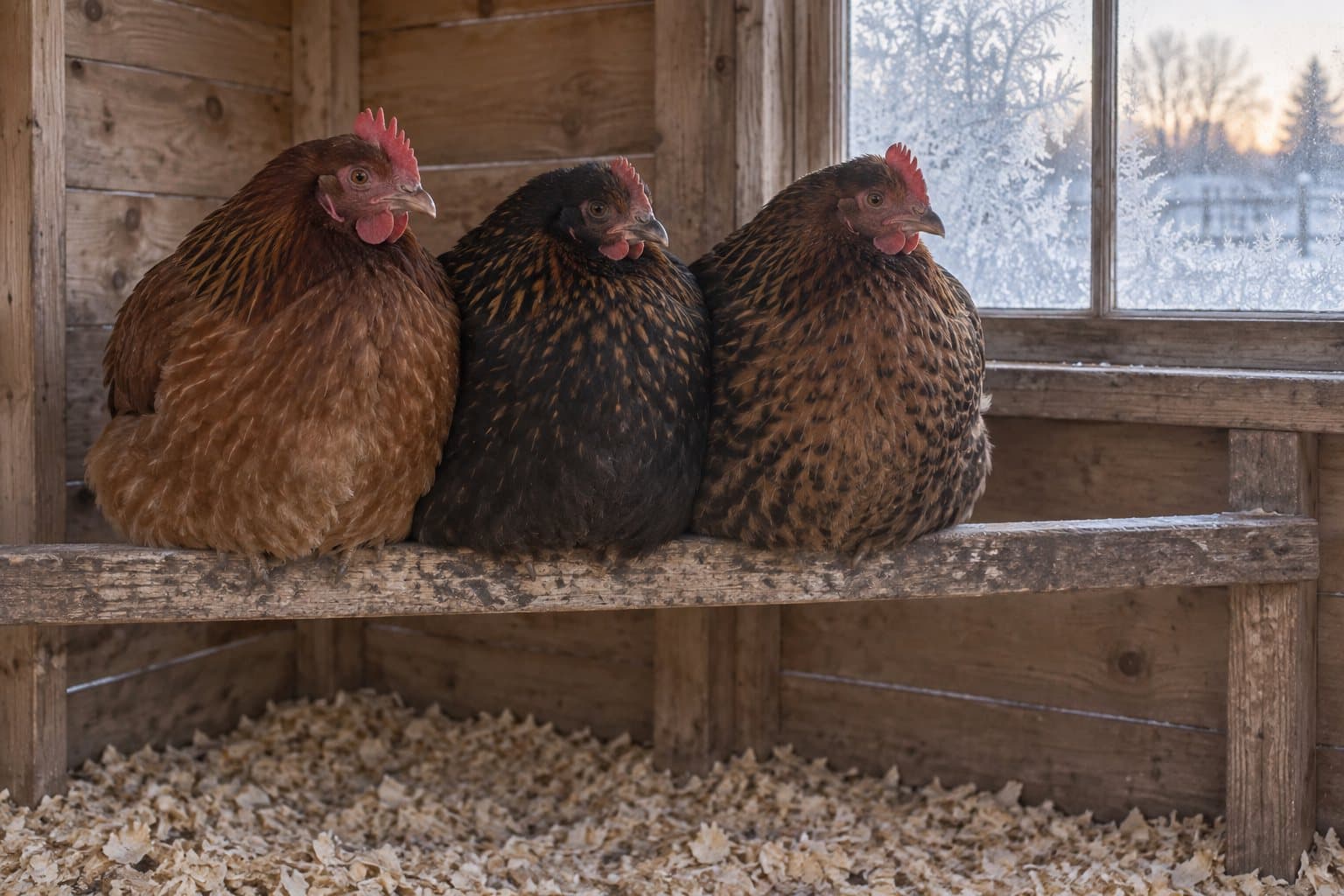
Yes, chickens get cold, and they show it. They are not cold-blooded: Penn State Extension gives an average body temperature of around 106 °F, which the bird has to hold in any weather. Feathers do most of that work, so a dry, sheltered, well-fed hen copes with a lot of cold. A bird that huddles, keeps fluffing its feathers and lifts a foot is telling you it is too cold. Start with drafts, bedding, feed and water.
The short version
Chickens feel cold and are warm-blooded, with a body temperature that averages around 106 °F (Penn State Extension). Feathers insulate them, so dry birds out of the wind cope well. The University of New Hampshire Extension names three signs of a cold chicken: huddling together, lifting a foot and fluffing the feathers again and again. First steps: stop drafts, add dry bedding, and keep feed and unfrozen water available.
 AI-generated
Questions keepers ask
Are chickens cold blooded?
No. A cold-blooded animal takes on the temperature of its surroundings. A chicken keeps its own: Penn State Extension writes that the body temperature of the chicken varies but averages around 106 °F. The bird produces that warmth from its feed and holds it with its feathers, which is why feed, dryness and shelter from wind matter so much in winter.
Do chickens get cold at night?
Night is the coldest part of the day and the birds sit still, so this is when the roost has to be right. The University of Maryland Extension notes that birds can keep their feet warm with their feathers while sitting on a perch with a flat surface, and that metal or plastic pipe conducts cold to the feet. A wooden roost out of the draft and a dry coop are what the sources ask for.
Can chickens get a cold?
Not from cold weather as such. What looks like a cold, with sneezing and discharge from the nose, is a respiratory disease. According to the Poultry Extension article by Dr. Jacquie Jacob of the University of Kentucky, respiratory disease in poultry can result from viral, bacterial, fungal and mycoplasmal infections. A bird with these signs needs a diagnosis, so contact a veterinarian. This site gives no treatment advice.
Can chickens die from cold?
No source read for this site names a temperature at which adult chickens die, so any such number is unsourced. The harm the extension services describe is frostbite on combs, wattles and feet, and it comes from cold together with moisture and wind. Bantams, molting hens, wet birds and birds in a draft are at risk first. A weak or injured bird belongs with a veterinarian.
Are chickens OK in the cold without a heater?
Often, but the extension services do not agree on a general rule. Maryland, New Hampshire and Maine advise against extra heat for adult birds that are protected from wind and wet. The University of Minnesota Extension recommends heat once the temperature inside the coop falls below 35 °F, and Wisconsin expects that many small flocks will want some. All of them put a dry, draft-free, ventilated coop first.
Sources we read
- Penn State Extension (4-H): Biology of the Fowl
- University of New Hampshire Extension: How should I take care of backyard chickens in winter?
- Ohio State University Extension: Winter and Your Backyard Chickens (ANR-66)
- University of Maryland Extension: Winter Weather and Small Flocks (FS-1133)
- University of Wisconsin–Madison Extension: Preparing for Winter
- Poultry Extension (Dr. Jacquie Jacob, University of Kentucky): Poultry diseases affecting the respiratory system
- University of Minnesota Extension: Caring for chickens in cold weather
Keep reading
- ExplainerHow cold is too cold?How cold can chickens tolerate? No extension service names a lethal temperature. The one figure that exists, the signs of cold stress, and what makes cold risky.
- TroubleshootingFrostbite in chickensChicken frostbite shows as off-color, then gray or black tips on combs, wattles and toes. What extension sources say about causes, first steps and prevention.
- ExplainerDo chickens need heat?Do chickens need heat in the winter? Three extension services advise against it, one names 35 °F inside the coop, two say it depends. The sources side by side.
- How-toKeep chickens warmHow to keep chickens warm in winter: block wind, keep vents open, deep dry bedding, flat wooden roosts, more feed and liquid water. Eight steps with sources.
- ExplainerCoop ventilationChicken coop ventilation in winter: where vents go, how to tell ventilation from a draft, and the signs of too little air, based on six extension publications.
- OverviewHeated chicken waterersHeated chicken waterers explained: fountains, nipple drinkers and add-on heaters, 60 to 125 watts, rated temperatures per manufacturer and what none of them do.
Who is behind this page
chickencoopheater.com Editorial Team
Coop heat, winter water and the sources behind both
We are the editorial team at chickencoopheater.com. We read what university extension services, the NFPA and manufacturers publish about heating a coop and keeping water liquid, and turn it into plain-English buying advice with the sources on every page.
- Extension and fire-safety sources named
- Manufacturer data and manuals compared
- Disagreements between sources shown
- Compared by manufacturer data